
Restorative Care
Restorative dental care focuses on repairing and restoring damaged or missing teeth to help you regain full function, comfort, and confidence in your smile.
🦷 Fillings
At Peak Pediatric Dentistry, we use resin composite fillings because they are safer, more natural-looking, and bond better to kids’ teeth than old-fashioned silver (amalgam) fillings. Composites are made from a tooth-colored material that blends in beautifully, so your child’s smile stays bright and natural. More importantly, resin bonds directly to the tooth structure, which allows us to remove less healthy tooth during treatment—helping preserve strength and integrity long term. Unlike amalgam, composites don’t expand and contract with temperature changes, which lowers the risk of cracks over time. We believe in using tried-and-true materials that are both conservative and effective—and resin composite is the clear choice for growing smiles.
Safe and Mercury-Free
At Peak Pediatric Dentistry, your child’s health and safety are our top priorities. That’s why we use white composite fillings made from tooth-colored resin instead of traditional amalgam fillings, which contain mercury. Composite fillings are mercury-free and biocompatible, giving parents peace of mind.
Natural, Beautiful Smiles
Kids want to feel confident about their smiles—and so do we! Composite fillings match the natural color of your child’s teeth perfectly, so cavities are repaired discreetly. Unlike silver amalgam, these fillings blend seamlessly and maintain a bright, healthy appearance.
Strong and Durable
Today’s composite materials are durable and bond directly to the tooth, which helps support the tooth structure and reduce the chance of cracking. While amalgam fillings last, composite fillings provide excellent long-term strength suitable for your child’s daily activities like chewing and speaking.
Less Drilling, More Comfort
Because composite fillings bond to the tooth, we often need to remove less healthy tooth structure during treatment. This means the filling process is less invasive and more comfortable for your child.
Environmentally Friendly Choice
White composite fillings are also a better choice for the environment since they don’t contain metal or mercury, making them safer to handle and dispose of responsibly.


Told Your Child Needs Several Crowns?
Parents come to us every week after hearing their child needs four, six, even eight crowns. Sometimes that recommendation is spot-on. Other times, a more conservative approach will do the job just as well. Either way, we’re happy to give you a second opinion — no pressure, no judgment, no upsell.
Dr. Austin’s philosophy is simple: treat every child as if they were his own. If a filling will do the job, that’s what we’ll recommend. If a crown is truly needed, we’ll talk through every option — including white zirconia crowns as a natural alternative to silver caps.
👑 Choosing the Right Crown for Your Child’s Smile
Told your child needs silver caps? You have options — and we’re happy to walk you through them.
White zirconia crowns are a natural-looking alternative to silver caps on baby teeth. We recommend them only when a tooth truly needs the extra protection — and when it does, we’ll talk through every option with you first. No pressure, no unnecessary procedures, no surprises.
For baby teeth, we offer white zirconia crowns, Bioflex resin crowns, and stainless steel crowns. For older kids with permanent teeth, we offer custom crowns built to last for years. Every crown we place is chosen carefully to fit your child — balancing what’s best for their mouth with what matters most to your family.
Stainless Steel Crowns (SSC)
You may know these as “silver caps.” They’re the time-tested workhorse of pediatric dentistry — incredibly durable, quick to place, and a reliable choice for back molars where strength matters more than appearance. We still use them when they’re the right call, usually for badly decayed molars or after a pulpotomy (baby root canal). They aren’t the prettiest option, but for teeth nobody sees when your child smiles, the trade-off can be worth it. We’ll always talk through the alternatives so you can choose what feels right for your family.
Best for: Back molars with large cavities or after nerve treatment.
Bioflex Resin Crowns
Bioflex crowns are a flexible, tooth-colored resin — another white option for parents who want to avoid silver caps but want to keep costs down. They blend in beautifully with natural enamel and hold up well in lower-stress areas. They aren’t quite as strong as zirconia, but for the right tooth in the right spot, they’re a great middle-ground choice. We’ll tell you honestly if it’s the right fit or if zirconia would serve your child better.
Best for: Younger kids with moderate decay on front teeth, or families wanting a balance of natural appearance and affordability.
Zirconia Crowns
White zirconia crowns — the most popular alternative to silver caps for kids.
Zirconia crowns are white, ceramic-like crowns that look just like natural teeth. No metal, no silver flash when your child smiles — just a natural, confident look. They’re strong, biocompatible, and safe for growing mouths. They take a little more time and precision to place, but for most parents who come to us asking “can we do white instead of silver?” — this is the answer.
Best for: Front teeth, visible molars, or any time appearance matters to your child (and you).
Custom Crowns for Permanent Teeth
For older kids or teens with permanent teeth that need full coverage—whether from trauma, large cavities, or cosmetic concerns—we offer custom lab-made crowns. These are made from durable materials like porcelain or zirconia, shaped to fit your child’s bite, and color-matched for a natural look. These are meant to last for many years and are carefully crafted to support long-term oral health and confidence.
Best for: Permanent teeth that require long-lasting protection and aesthetics.

Overview of Tooth Repair
Children’s teeth can become damaged for many reasons—whether it’s a tumble during playtime, biting into something hard, tooth decay, or natural wear over time. Even baby teeth, though temporary, play a vital role in your child’s development. Damaged teeth can affect eating, speaking, self-esteem, and even the way adult teeth come in later.
At Peak Pediatric Dentistry, we take every chipped, broken, or decayed tooth seriously and offer gentle, timely treatment to restore your child’s oral health. Repairing teeth early not only prevents further damage or infection, but also supports your child’s comfort, confidence, and proper dental development. Our team focuses on making every visit stress-free with a calming environment, comforting amenities, and treatment options that are safe, effective, and tailored to growing smiles.
Treatment Options for Tooth Repair
We provide several advanced, minimally invasive options to repair damaged or decayed teeth. After a thorough exam, Dr. Austin Williams will recommend the best treatment based on your child’s age, the extent of the damage, and their overall oral health.
✔️ Bonding
- For minor chips, small cracks, or cosmetic flaws, dental bonding is a simple and fast option.
- We apply a tooth-colored resin to the affected area, carefully shape it to match the natural tooth, and cure it with a special light.
- Bonding is pain-free, completed in one visit, and blends beautifully with your child’s smile.
✔️ Tooth-Colored Fillings
- When a tooth is affected by decay or a small fracture, we use composite resin (not silver amalgam) to restore it.
- These white fillings are durable, mercury-free, and designed to match the color of your child’s tooth.
- Composite fillings also require less drilling, preserving more of the natural tooth structure.
✔️ Crowns
- If a tooth has extensive decay or is severely broken, a crown may be the best option to protect and restore it.
- Pediatric crowns cover the entire tooth, providing strength, support, and function.
- We offer both stainless steel crowns (commonly used on back teeth) and white zirconia crowns for a more natural appearance on front teeth.
✔️ Veneers (Selective Use)
- In special cases, especially for older children with permanent front teeth, we may recommend veneers to correct shape, size, or cosmetic flaws.
- Veneers are thin shells of tooth-colored material bonded to the front surface of the tooth for a long-lasting, natural look.
- While not common in very young children, they may be an option for older patients with aesthetic concerns.
At Peak Pediatric Dentistry, our goal is always to save natural teeth whenever possible using the most conservative methods.
But there are times when removing a tooth is the healthiest option for your child.
We may recommend an extraction if a baby tooth is severely decayed, infected, or damaged beyond repair—or if it’s blocking the proper eruption of a permanent tooth.
In some cases, extractions are needed as part of an orthodontic plan to create space or correct bite problems.
We always walk parents through the reasoning and timing behind any extraction, and we take extra care to make the experience as gentle and stress-free as possible.
If a baby tooth needs to come out, we make sure it’s for the right reason and done in the right way.


💫 Making Tooth Removal Effortless
Step 1: Local Anesthesia for Comfort
Before we begin, we thoroughly numb the treatment area to ensure your child does not feel any pain during the procedure. This starts with a topical anesthetic (numbing gel) applied to the gums, followed by a small, precisely placed injection of local anesthetic. Most children tolerate this step very well. Our team uses calm explanations, distraction techniques, and a gentle approach to help your child stay relaxed throughout the process.
Step 2: The Extraction Process
Once the area is fully numb, we carefully loosen the tooth using specialized pediatric instruments.
- For primary (baby) teeth, the process is typically quick and straightforward. Baby teeth are smaller and have shorter roots, so removal is often completed in just a few minutes.
- For permanent teeth or primary teeth with advanced decay, broken crowns, or abnormal root structure, the process may take slightly longer. In these cases, we take our time to ensure complete and safe removal with minimal trauma to surrounding tissues.
Throughout the procedure, we continually monitor your child’s comfort and well-being.
Step 3: Bleeding Control and Recovery
After the tooth is removed, we place sterile gauze over the extraction site and have your child gently bite down to help stop any minor bleeding. We’ll monitor them for a few minutes to ensure bleeding is controlled before discharge. In most cases, children recover quickly and return to normal activity within a few hours.
Post-Extraction Home Care Instructions
Proper aftercare is important to support healing and prevent complications. We provide printed and verbal instructions, which include the following guidelines:
- Diet: Encourage soft foods such as smoothies, yogurt, scrambled eggs, or pasta for the first 24 hours. Avoid hard, crunchy, or sticky foods that could irritate the area.
- Activity: Allow your child to rest and avoid vigorous physical activity for the remainder of the day.
- Bleeding: It is normal to see slight oozing for the first few hours. Replace gauze as needed. If bleeding persists beyond 24 hours, contact our office.
- Pain Management: Over-the-counter medications like acetaminophen (Tylenol) or ibuprofen (Motrin) are typically sufficient. We will advise you on the proper dosage based on your child’s age and weight.
- Oral Hygiene: Gently brush the surrounding teeth, avoiding the extraction site for the first day. Rinsing with warm salt water can begin after 24 hours to keep the area clean.
- Avoid Straws and Spitting: Suction and pressure can dislodge the blood clot, so discourage drinking from straws or spitting for at least 24 hours.
Will a Space Maintainer Be Needed?
If a primary molar is extracted before the permanent tooth is close to erupting, we may recommend a space maintainer to preserve proper spacing and prevent crowding. We will evaluate this on a case-by-case basis and schedule a follow-up appointment if needed.

Who knew getting teeth pulled could be this much fun?
Before & After: Tooth Repair at Peak
Real results from color-adapting bonding, white spot treatment, gingivectomy and Maryland bridges.
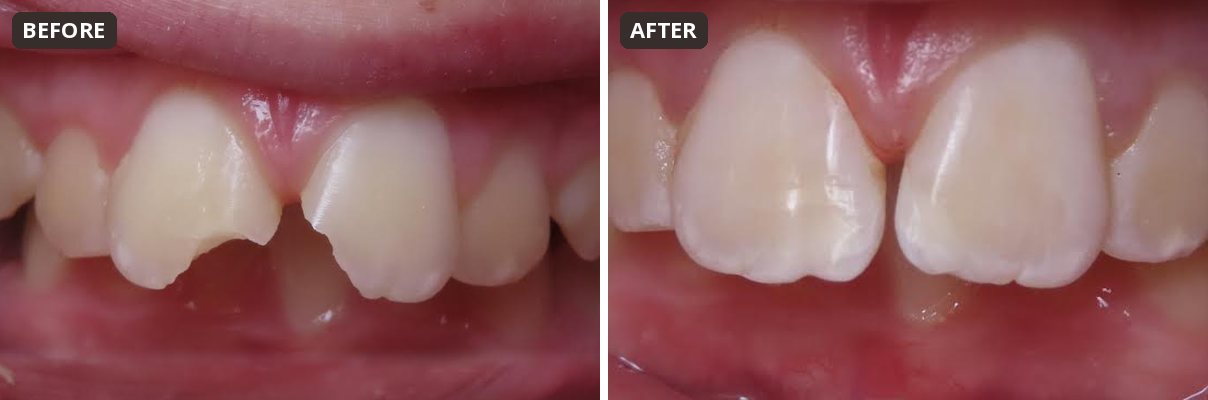
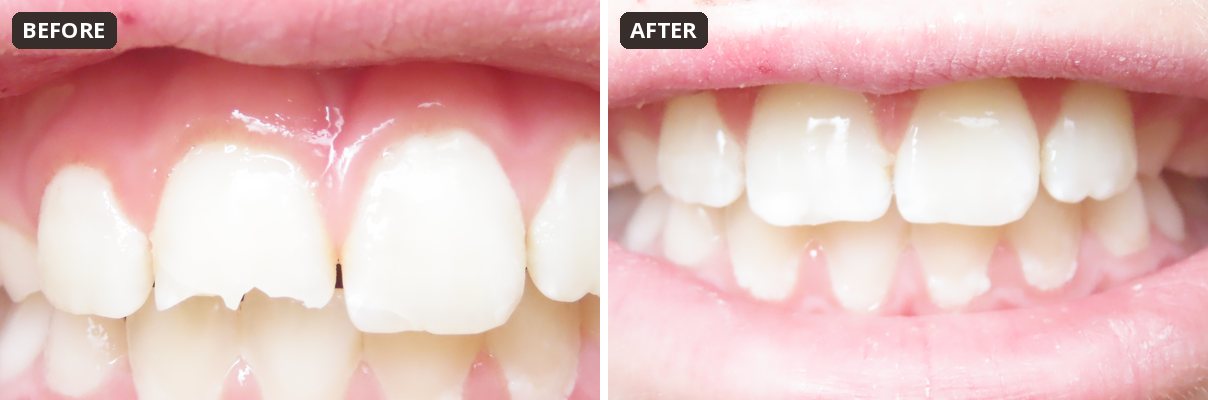
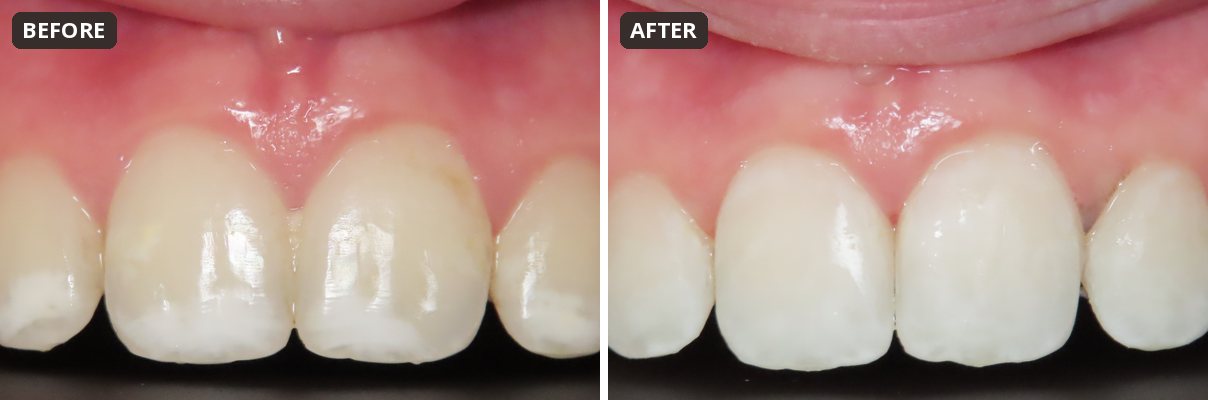
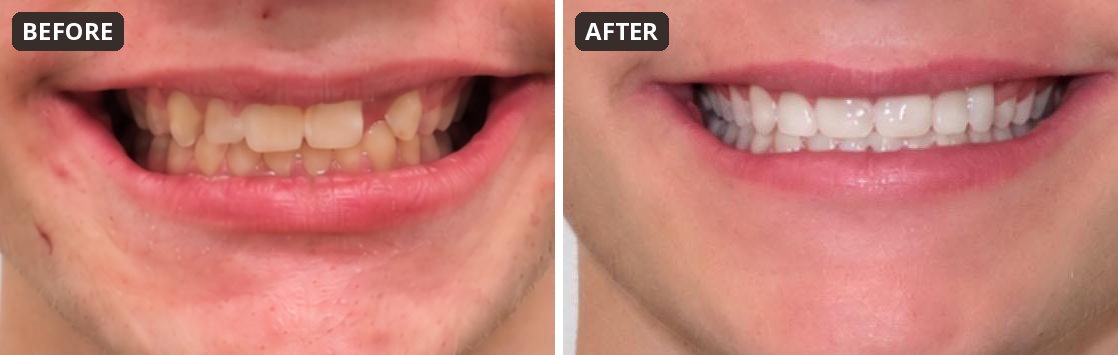
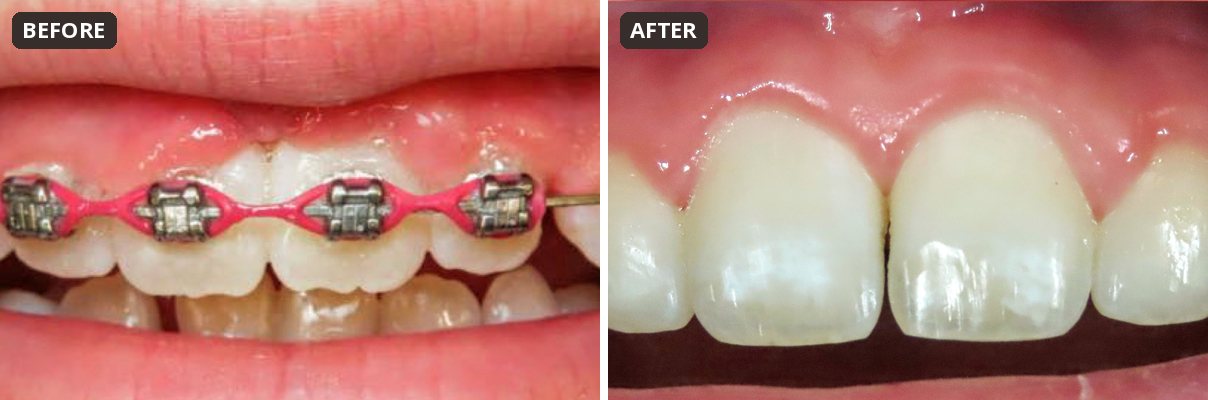
Real Peak Pediatric Dentistry patients, shared with parent permission. Swipe to see more.